
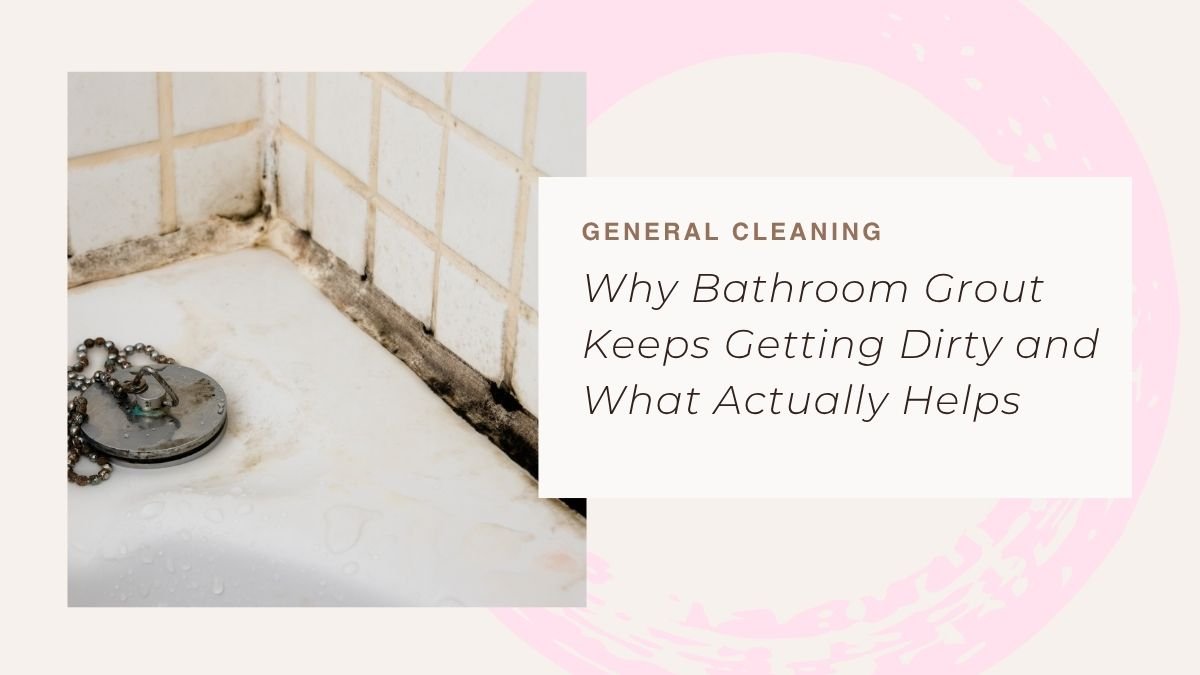
Grout is highly porous and when exposed to dirt, scum and moisture, the material takes in this and when it becomes full of such substances, it may carry a significant amount of such substances. This piling is visible on the tiles surface especially in the high traffic/ wet locations like the bathrooms.
Repeating mopping will clean the dirt on the surface but will not be able to clean in deep the pores of the grout. This is why to be beautiful and clean tile and grout should be cleaned by professionals.
1. Moisture and Humidity
Grout is an ideal environment of molds, mildew and bacteria as it absorbs and holds water. Unless your grout is maintained regularly, these organic compounds may develop odors, cause allergies and lead to poor indoor air quality.
Fortunately, the accumulation and the resulting harm that these unpleasant materials can do to your tiles and cause illness to you can be avoided by cleaning your tile and grout by using the correct techniques.
Although one of the simplest flooring types to maintain are glazed ceramic and porcelain tiles, the porous grout between the tiles may be more difficult. This is because it readily absorbs liquid hence rendering it darker and stained.
However, they can be prevented by placing a weak acid, e.g., vinegar or lemon juice, and cleaning the grout. You can also use a special bleach that reduces the amount of water entering your grout, and makes it not gray or black.
Other common sources of stains on the bathtub grout are rust, limescale and soap scum deposits. Such stains might not be easily removed without severe chemical which will ruin your tiles. However, baking soda can be utilized in creating paste and scrubbing the affected areas. Another way you can do it is to soak the area in a vinegar spray or cleaner to kill any growing mold, mildew or bacteria.
When your dirty grout in the bathroom is just not showing any improvement with your household cleaning supplies, then it is time to think of a cleaning service.
A company such as Green Clean will simply use the appropriate techniques and equipment to clean your tile and grout to maintain its color and repel future stains. They can also apply to your grout a sealant that is a breathable protective covering that not only prevents the soaking of water but also is resistant to chemical damage.
2. Soap Scum and Hard Water Deposit.
Sealed Grout, Grout is pressed sand bonded together and although not sealed, grout absorbs water, body oils, soap scum and mildew. In the process of soaking, minerals are left behind that result in darkening of grout over time. It normally takes a good scrubbing to take off the discolouration.
This is due to the fact that such mineral deposits and porous grout itself render it more difficult to extract the dirt. Restiling grout should be done after six months or a year to make sure that it is not taking in water and the surface is not becoming weaker.
This can also be aggravated by the improper cleaner or over scrubbing. Glazed surfaces are etched and worn away by acidic cleaners, and excessive amounts of pressure may scratch and dull smooth tile. Scrubbers with abrasive also eliminate grouts and leave more pores that absorb more soil.
Squeegee cleaners are not rinsed and therefore they form sticky outer layer which attracts more dirt and abrasive. Poor rinsing will also transfer dirt to grout joints and harsh/acidic cleaning products leave a bad smell and skin irritation.
Hard water and soap scum can be minimized with a resealing regimen and right cleaner. However, when your shower remains dull, it could be an indicator of wear or damage of the materials. That is why it is beneficial to have a different kind of the shower material that requires less maintenance or is easier to clean such as a laser-etched stone, such as BP-Cor2, which is mould-resistant and non porous.
Even though there is a routine mopping and scrubbing workout, many people do not rinse, or wait until their showers have dried before they get out of their homes. Water promotes the penetration of dirt on the grout crevices and it can develop a haze on its own to create an illusion of dirty shower when this is not true.
3. Growth of Mold and Mildew.
Grout is prone to mold and mildew, and it is especially prone to this in bathrooms, en-suites and wet rooms. Not only do they not appeal to the eye, they also put out stale smells, and can pose risks to individuals having difficulties with breathing or allergies.
To avoid the development of mould and mildew in your bathroom grout clean it regularly. Use a non-toxic cleaning product, which is not damaging in the shower and tub, such as a pH-neutral, residue-free cleaning solution (such as the Love Your Carpet professional-grade grout cleaners).
Wire Brushes and Rough Chemical Cleaners will only dirty your grout in the long run. Rough cleaning pads or acidic chemicals remove the protective coating of the grout, thus leaving it porous and rough. This provides the residues of dirt and cleaner products with an opportunity to percolate deeper into the grout, and become darker.
The leftover grit in the grout joints can be avoided by sweeping regularly. Twice a week is a nice time to have everything swept or vacuumed in most parts of the house and in the entryways, in the kitchen. When you are working with a tile that is of a matte finish, then you want to use a soft brush, rather than a brush with a bare metal edge, which may scratch the tiles. Each entrance in kitchens and wet areas will also have a doormat that will help in keeping floors grit-free.
It could be time to contemplate re-grouting because of the built up dirt to the point that scrubbing will no longer be effective.
When the discoloration is dramatic and when it lies on the grout, then a professional regrout and recoloring would be done to remove the discoloration and provide it with a lasting shield against future discolouration. The new and improved grout can be long lasting as well with a new layer of grout sealer.
4. Typical Grout Cleaning Follies to Steer clear of.
Grout is a paste-like construction material, which is a blend of cement based powder, plus aggregate material like sand or crushed stone.
Cementitious grout is used in showers, kitchens and entrances. Grout should be washed frequently to prevent any growth of mold and mildews, stains and other surface problems. Luckily, the majority of problems can be avoided by cleaning it on a frequent basis and using the appropriate kind of cleaner.
Amongst the most common errors that people make at home is not preparing their grout adequately before scrubbing. By having the floor vacuumed or swept out prior to the actual scrubbing, the majority of loose dirt and dust will be swept off and therefore the end result of the cleaning operation will be the production of less aggressive grit to grind the grout lines.
The other error is to apply the incorrect type of cleaner. Severe chemicals or acids destroy grout making them more porous and prone to being stained.
Finally, either little or a lot of water added to the grout can also result in a number of problems. Lack of water leads to a grout drying out, crumbling and cracking but excess water leads to undermining of the grout and shrinking.
By spending time to prepare and clean your grout, you will save time, money and headaches in the long-term. You can save life of your tile and make it look fantastic by preventing it to form a mold and mildew, preventing stains, fading and discoloration.
Other maintenance procedures that you can undertake in order to help preserve your grout include: wiping off as they occur instead of rubbing them; switching on your bathroom exhaust fan whenever you take a shower and caulking and sealing your grout to avoid water damage and mould.
5. Grout Sealing
To clean and maintain clean grout is a little bit of work, however, it is not absolutely impossible. Most of the typical mistakes in maintenance that people make to mar their grout can be avoided, and the few little tips can do wonders at keeping your tiles looking new.
One of them is always applying a pH neutral cleaner, and especially showers, to reduce the amount of film of soap and mineral in it. Should you have to apply some stronger product on the tougher stains, ensure that it is not acidic and apply it in a secluded place before application.
A bleach pen is also superb in attacking those hard-to-clean areas, and reduces the amount of contact with your tile surface.
To make sure that the stains do not set the best way is to seal the grout immediately after installation and it is recommended that you seal new grout immediately after laying the grout. Re-sealing the grout must be done every year, or when it starts to appear dull or not to bead up in the water.
There are many types of grout sealers on the market, so it’s important to choose a solution that is best suited for your tile and location. These are those that make grout look pretty, and those that offer a barrier that keeps water, dirt and other debris out.
Stone tiles also require the right sealer as they are more porous compared to glazed tiles and thus need to be sealed more frequently. A penetrating sealer that leaves the grout with no plastic look is the best but even products designed to be used with natural type of stone such as travertine, sand stone are available, to give the best protection against the salt and chemical exposure.
The secret of successful grout sealing is to ensure that the water does not reach the walls of the pores of the grout resulting in damage and stains.