
Clutter adds to the number of surfaces that can accumulate dust, thus increasing the cleaning difficulty. Minimize clutter, especially on exposed shelves, so cleaners can wipe down and clean.
In addition to the obvious factors such as pet dander, airflow and a dirty filter, here are some factors as to why your dust may be returning after dusting.
People
There’s nothing more aggravating than dust which returns after being cleaned. This is not due to unclean or dirty, it’s actually just a normal aspect of how inner rooms function.
On a daily basis, individuals travel and cloth comes in contact with surface areas. Air circulates through the vents and into the house, carrying particles of anything in and out of the house.
Humidity, dirty air filters or undisturbed areas such as under furniture can all lead to dusting being a continuous process. Other things such as using the wrong cleaning tool, and not dusting bottom to top can also accelerate the process.
Part of that is to avoid using bristle tools that leave lint and static electricity in the dust, which causes more dirt to stick to it, says Marla Mock, president of Molly Maid, a Neighborly company and a professional cleaning company. She also recommends that flat surfaces be kept less cluttered to make it easier to wipe down.
Fabrics
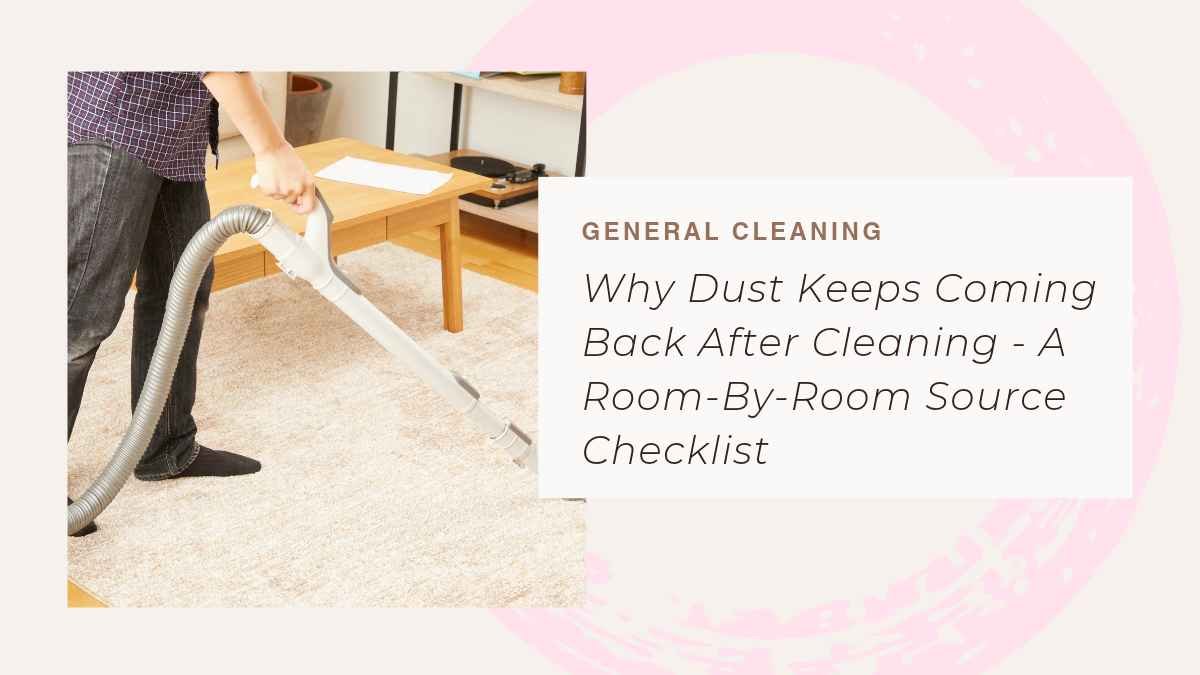
All fabrics that will shed fibers can make dust, as well as rugs and carpets (especially the fuzzier varieties). Regularly wash bedding and blankets and vacuum often to prevent dust from building up.
Dust also accumulates in a room because of shedding from people and pets, crumbs, soil, pollen, particle aerolized plastic and other airborne pollutants from the outdoors. Moving around and activities disturbs settled dust, causing it to become airborne again.
To reduce the amount of dust in a room, avoid clutter and buy a good doormat to keep outside pollutants out of your home. A microfiber duster which attracts and retains the dust, rather than blasting it around, helps as well.
Remember, always clean from top to bottom. This means top to bottom from the ceiling fan, and then down to the furniture.
Bedding
You have cleaned od counters and vacuumed the floor, opened the windows to get fresh air, but still a layer of invisible dust has remained. What’s going on?
Household dust is not homogeneous. A combination of fibres, skin cells, pollen, mould spores and other pollutants. Some of them fall rapidly, others for hours or days in the air.
To keep dust under control, reduce the clutter on surfaces, so they’re easier to wipe down. Bedding should be washed frequently – sheets and pillowcases can release fibers and collect skin cells. Wash wall-to-wall carpeting and rug, in addition to vacuuming it, often.
This will avoid textiles becoming dust magnets and minimise agitation which can release dust particles in to the air. A damp microfiber cloth can also be used to trap instead of move dust around.
Living Rooms
Dust is a mixture of skin cells, pollen, mould spores, textile fibers and environmental pollutants which settle upon and float around various surfaces and are not swept away by ordinary cleaning methods. Spread can occur via several factors such as ventilation and cleanliness practices.
Some dusty areas in the living room may be the top of cabinets, picture frames and tall furniture, the back of TV stands and other electronics, and shelving that’s overstocked with books, decorative items and electronic devices.
Also, fans and ceiling fixtures release invisible dust during operation, thereby redistributing dust around in the room. Seasonal ornaments & fake plants also collect and re-circulate dust. Regular cleaning of these areas will reduce the spread of dust.
Upholstered Furniture
Although it is widely sought after for its comfort and beauty, upholstery can be a secret source of pollutants, which can impact indoor air quality.
Furniture can harbor and preserve numerous allergens, which can lead to an allergy reaction for those family members who are sensitive; including sneezing fits, itchy eyes or congestion, unless the furniture is cleaned regularly.
Everyday dust and food debris as well as bacteria and mould spores, become trapped on the surface of fabric.
Dust mites may also cause allergic reactions in building occupants as moisture accumulates favours the proliferation of dust mite populations that thrive on dead skin cells. These particles accumulate fast due to the fabric’s porosity, humidity levels and poor ventilation.
HVAC Filters
Your indoor dust levels are HUGE affected by the quality and condition of your heater/furnace, and air conditioning filters. Dusty filters block the flow of air, cause the humidity to increase, and allow the large “slugs” of accumulated dirt to escape.
MERV (minimum efficiency reporting value) is the primary rating of HVAC filters. Essentially, the higher the MERV rating, the better the filter.
The most common and least expensive are fiberglass filters. These are not reusable, and are generally replaced after every 30 days period. They are able to filter out larger dust particles and pollen and not smaller allergens or bacteria.
A better choice for overall protection is to choose a filter with a MERV rating between 5-8 or 9-13. You can also get electrostatic or activated carbon filters which are washable and can help minimize pet dander, chemical fumes and other odors.
Air Vents
When you wipe dust surfaces, it doesn’t cease to move about. New dust is formed every day, clothes are rubbed against each other, and animals shed.
These sources are decreased by regular wiping and washing. A flat surface is more difficult to wipe down because of all the clutter, and will require more time between wipe downs.
Air vents play an important role in the system by serving as the link between the ductwork and living space, allowing conditioned air to flow into rooms and stale air to flow back to the system for reconditioning.
But if the air filters are dirty, the return vents are clogged, and the ductwork is leaking, dust can be spread throughout living areas each time the HVAC system operates. Maintenance, regular duct checks, and replacing with silent vents for better indoor air quality and efficiency.
Adjustable registers can be used to balance the air flow as well. To achieve the greatest amount of ventilation, select vents with a high percentage of free area. Don’t experience noisy and inefficient blocked vents.
Windows
The correct cleaning order will prevent dust from setting back. For instance, dusting before vacuuming will get rid of larger particles making it easier to clean surfaces. Additionally, if you maintain a clean and organized home, there will be fewer areas for dust to accumulate.
Factors such as humidity, dirty air filters, undisturbed areas and others influence the speed of the dust build-up again. Regularly and thoroughly, isn’t as important as consistently.
Household dust is not a single entity, but a combination of everything from the movement of objects, pet dander and hair, fabric and chemicals used in fabric and household cleaning, plastic wrap, and even residual insecticides.
Each surface cleaned creates a cloud of new dust particles which circulate in the air until they settle into a new location. This is a daily repetition.
Air Leaks
Whether it’s using the right cleaning tools or changing out filters often helps keep dust at bay, according to Neighborly Home Services’ president, Marla Mock.
She suggests a damp microfiber cleaning cloth that not only won’t push particles around, but it will also capture them. Also consider investing in air purifiers to help remove and lower allergens from the air in your home.
Remember, also, that “Household dust” is a combination of all activity inside and outside your home on a daily basis. People move around, fabric rubs against fabric, pets shed and old insulation breaks down and releases fiber.
Although you may clean them thoroughly, dust will still accumulate on surfaces. However, there are some simple habit changes which will help it to return more slowly.
The important thing is to do it frequently, not do it hard. Heavy dust build-up doesn’t occur as readily if a quick wipe down is performed twice a week than if a deep clean is performed occasionally.