
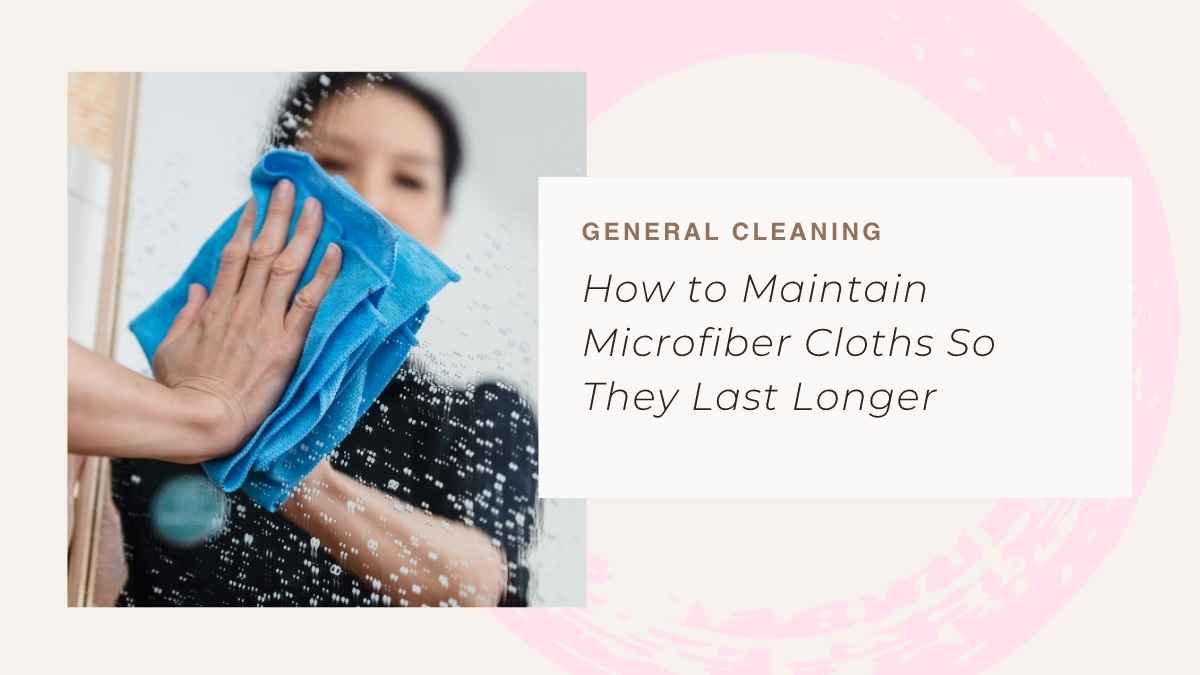
Microfiber Cloths: Cleaning with microfiber cloths is becoming a norm, because the cloths can easily pick up effectively and hold dirt without the need to scratch. They also maintain and wash well.
During a wash, apply a microfiber detergent. Do not use bleach or fabric softener, which may coat the fibers and decreases absorbency. Also, don’t tumble on high heat.
Washing
Microfiber Cloths: Microfiber towels are a car-detailing staple, yet when not washed well, could get lint-infested, clinging to the paint and making the work harder. After cleaning your microfiber cloths with the correct tips, regular washing will help the cloths to last longer and yield better cleaning results.
Before washing your microfiber towels, first, you should sort them out. None of the towels should mix with the rest of the towels when they are being washed because they are used to apply or wipe down a ceramic coating or any other high-performance chemical.
This will make sure that the coating will not crystallize in the fibers and render them rough and unusable.
Then you will want to use a light liquid detergent, which does not have fabric softener. The fine microfiber fibers can be blocked by fabric softener and it will not be able to remove dirt and moisture.
The right temperature in which you should wash is also to be decided. Some types of microfiber fabrics may melt or become damaged when hot water is used, therefore it is better to use cold water (or even insipid water).
Lastly, do not place your microfibers with other lint-prone products such as cotton towels and mop heads in the dryer. Lint may stick to the microfibers and make them less effective, or may harm or blunt them with time. Rather, dry your towels with a lint-removal product and then wash them.
It is necessary to dry your microfibers after cleaning them. The dryer should not be too hot as it will melt and shorten the fibers, and this will impact the absorbency and life cycle of the fabrics. Drying your towels by air is the most appropriate, but in case you must use a machine, make sure that you use a low heat level or no heats.
You should also keep your microfiber towels in the dark cool place where they will not be exposed to sunlight or other high UV rays. This will ensure that the colors do not fade as easily and so they will maintain their new appearance as long as possible.
When putting up your towels always ensure that they are completely dry before placing them back so as to avoid the growth of molds and mildew. With these few tips in mind, you will be sure your microfiber towels will last years of reliable service and detailing your car.
Drying
Microfiber Cloths: Washing your microfiber cloths should never have a high heat setting. Do so, and the finer fibers will melt, and be useless. This will definitely spoil the towels and render them useless. The towels may however be air dried. Air drying makes the microfibers soft and absorbent and removes the static.
The phenomenon of the static cling is typical during the winter season, and can be driven to extremes through the means of fabric softeners. Many other fabric softeners have components which will cause harm to the fine micro fibrils in your towels and may even render them not very absorbent.
The key to preventing them can be to pick anti-static sprays or conditioners that are explicitly made to be non-residue and specifically crafted to work with microfiber to keep your microfiber working and lasting.
Microfiber Cloths: It’s also important to wash your microfiber towels separately from other fabrics. This is because lint and hair can latch onto the cloths and cause them to become more soiled and less absorbent over time. To avoid this, wash your microfiber towels and clothes with other clean clothing items that don’t produce much lint.
Microfiber Cloths: The next important action that will help you ensure a long life of your microfiber towel and cloth is to select the appropriate water temperature to use. Washing with cold water, though not generally advisable in most cases, can be best in washing your microfiber towels.
Cold water is tricked with to ensure that the cloths do not get too excited and stretched out, and hence become thin and less absorbent.
Microfiber Cloths: Even though some individuals can opt to use hot water when washing their microfiber towels, this tends to destroy them. When exposed to hot water, microfibers may get twisted and deformed. This may result in the tumbling ability of the microfiber and the ability to trap dust and dirt being lost.
Another thing that you should do is to always wash your microfiber towels in cold water setting. Hot water may also leave soap scum, minerals and other impurities on the cloths which may influence its ability to absorb and wear out in the long run.
Moreover, hot water use will make your washer more likely to leak. In case you need to wash in warm or hot water, you must always wash your microfiber clothes separately with the other clothing and use as little heat as possible.
Storage
Microfiber Cloths: Microfiber cleaning clothes and mitts are wonderful at picking up dust, dirt and other minute particles without dispersing them but these same microfiber fibers that make the products so efficient also create traps of lint and other contaminants when these products are improperly stored. Following the best practices of cleaning and storing your microfibers will make them last longer and be more useful to you.
Whether you hand wash or machine wash your microfiber cloths, the initial thing to do is to shake them to loosen the particles. This will make your washing water cleaner and also contribute to ensuring that all the microfibers have been clean.
Microfiber Cloths: After shaking off the excess particles, you can put your microfibers in the washer. Wash them with a light detergent without any fabric softener or bleach. Microfiber is also detached and clogged by these products, therefore, a soft laundry detergent is used to ensure that they last longer and have a better performance.
The other great tip on washing microfibers is to make sure that when washing them, you do not mix them with other fabrics and clothes. Microfibers cling to the small particles, thus picking up lint in other garments in the wash and dryer.
This may affect the ability of them to clean as lint will interfere with the ability of the fibers to stick to surfaces. Separately washing microfiber cloths and towels ensures that they are lint-free to achieve optimal performance.
In the event that you are storing your microfibers, place them in a basket or a desk so that they can be closed to ensure that they are not contaminated by air and dust. Delicate cabinets are best suited to huge batches of towels. One of the quickest methods of putting dirty shop debris and air dust on clean towels is through open shelving.
Microfiber Cloths: When the affected towels are used in wiping down the vehicles and other surfaces, they are likely to scratch the paint. You stock your microfibers in the right way and it is a system that will avoid contamination and will result in paint-safe towels the first time around.
Remember to remove your microfibers out of the dryer before they fully dry so as not to be creased and wrinkled. Then, hang them up to air dry. In case you have to put them in a dryer, be sure you put it on no-heat or low-heat. Overdrying them in the dryer may make them shrink and render them ineffective.
Be aware when to change fading microfiber clothes.
Microfiber Cloths: Microfiber cleaning cloths can be an essential tool in your cleanroom. They take dirt instead of smearing it about, and come in a wide range of sizes and types to fit on a variety of surfaces.
But, similar to any other cleaning product, they can be dirty and become ineffective after some time. This is why it is important to know how to properly care for your microfiber towels. This would assist in keeping them cleaner and increase their lives.
Microfiber Cloths: Microfiber is produced out of millions of small man-made fibers, usually polyester or nylon. Compared to the irregular size and shape of fibers in cotton, these fibers possess a uniform shape of stars, making them super absorbent to grab and hold lint, dust, moisture and grease. They may also be water-resistant, which is contingent on their construction.
Cleaning microfiber towel can be done by rinsing and wringing it just as you would to any other cleaning towel. In case it is very dirty then put it in the sink or a bucket with cold or warm water and put in a small amount of a laundry detergent. You can also sanitise your washer by using the sanitising wash, this will kill any germs.
Microfiber Cloths: To avoid hair, lint and other debris being transferred to lightly soiled microfiber towels in the laundry, it is a good idea to separate lightly soiled microfiber towels with those that have been used to clean up heavier items. They are also better dried individually so that the transfer of odors is not achieved and to keep them absorbent.