
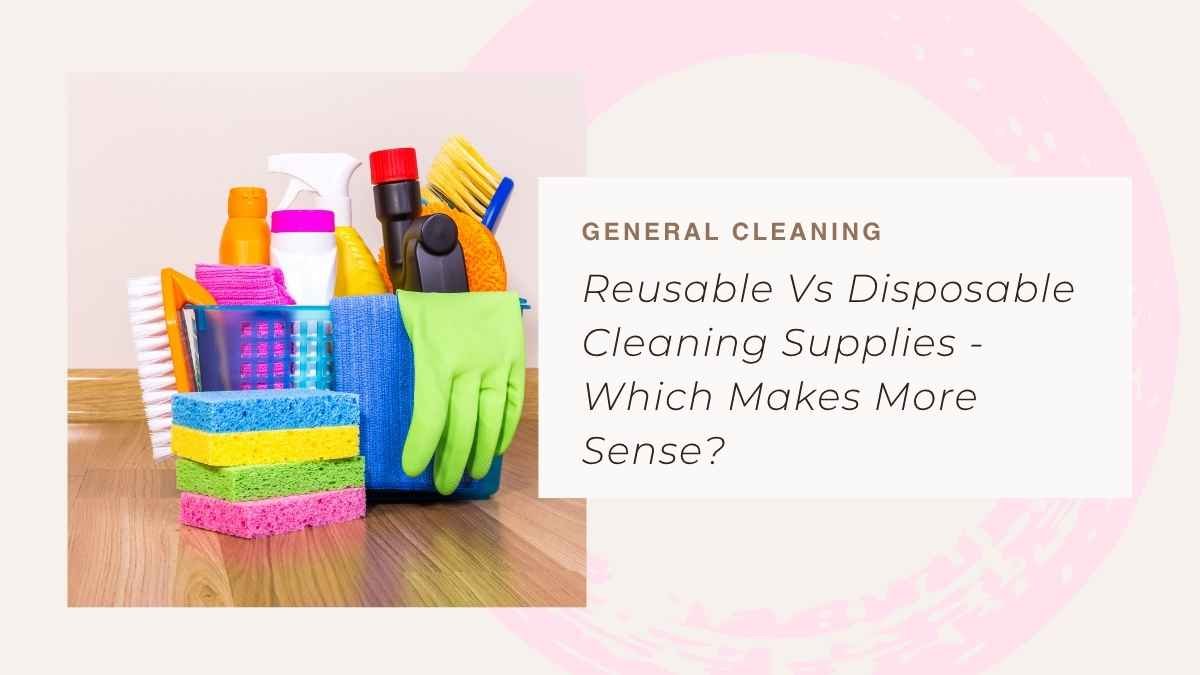
All forms of supply need to be tracked across their life cycle to be fairly compared. That implies finding a proper rate of professional use, and the actual replacement cost (towels that go to clients or to staining, applicators that slip into drawers, etc.).
Achieving realistic water footprint and tracking of emissions are emerging as important to facilities that aim to be sustainability-based. We shall have the entire picture, all right.
Initial Cost
The re-cleaning solutions tend to be less expensive in the short term. Among them is reusable cloths and washable duster pads, which can save hundreds of dollars in two years or more as opposed to using disposable ones.
Nonetheless, initial cost does not tell the entire story especially when dealing with businesses which require an unending supply of reusable products like a food service establishment or a healthcare facility.
The reusables should be washed and serviced continuously in a manner that will ensure hygiene and functionality. This is subject to a substantial amount of labour and utility costs in the long term.
Additionally, reusables also generate wastes in the form of wastewater that is to be treated. This environmental impact could be reduced by using disposables manufactured using biodegradable materials and this would meet the sustainability objectives.
Lastly, a thorough analysis can also be added with cost-effectiveness to make well-informed decisions according to your operational priorities.
Overall Value
The debate regarding the disposables and reusables has often been put into a framework of an issue of convenience versus environmental accountability. However, a complete cost-effectiveness analysis provides more in-depth information.
Price on the shelf can hardly give the whole picture as the purchasing behavior and refill system plans bring constant spending. Using pre-measured refills as an example, wastes in refills can be reduced, as it decreases overpouring and overspray.
Other variables that could also affect general product value include the standards of the ingredients, third party certifications and manufacturing process. These aspects will help critical consumers make wise judgments, which can help them uphold their values and achieve their cleaning needs.
Specialty retailers, such as health food stores, zero-waste stores, and eco-boutiques, are adopting this new trend in encouraging low-waste lifestyles and managing the selections of products.
These decisions can be helpful to customers to feel at ease with their decisions and become loyal to the brand. The outcome is a healthier world and cleaner home.
Environmental Impact
The traditional cleaning agents tend to be hard chemicals which are not checked after cleaning and pollute the environment. They can even enter into tap water, and this is hazardous to homes and the society in general.
Cleaning products that can be reused do not contain any toxicants, thus, they are healthier to your home. Green cleaning will not only improve indoor air quality, but reduce asthma and allergies, among other respiratory illnesses.
Moreover, the alternative of using reusable cleaning supplies will greatly cut plastic waste. Single-use plastic containers that are contributing to the global crisis of plastic pollution are minimized due to refillable spray bottles and washable cloths.
Once your reusable cleaning products become dirty, all you need to do is put them in an ENJO laundry bag and then wash in your machine on hot or warm. The following time they will be willing to clean again! It is an excellent way of helping to counter environmental impact of conventional cleaning products.
Hygiene
Studies have shown that the reusable textiles and tools become contaminated with pathogens within a very short time when they go through a washing process or any other form of reprocessing. They can then easily spread such microbes to other surfaces and people to infect them.
Soiled privacy curtains used in hospitals, e.g., may harbor bacteria, and include methicillin-resistant Staphylococcus aureus and vancomycin-resistant enterococci.
Disposables such as microfiber mop pads and curtains enable the environmental hygienist staff to change soiled items in just minutes without having to wait until the laundry services bring in clean ones.
These one-time-solutions also eliminate the need to launder, hence saving water and energy and promoting the goals of sustainability. Pull-out boxes of disposable pull-out wipes with 200 sheets which are mounted on the wall are also a popular option in cleaning the kitchen surface, in addition to wiping off oiliness.
They are best applicable in the case of fast cleanups in high-risk areas such as emergency departments and ORs.
Bacteria
Old fashioned cleaners contain hard chemicals that produce volatile organic compounds (VOCs) in the air that causes respiratory problems and other health related problems.
However, clean products that can be purchased in refillable bottles and are sustainable do not contain any harmful chemicals that contribute to improving the air quality indoors and creating a healthier home.
Reusable goods such as patented fibre technology of ENJO are designed to clean surfaces of your house and absorb bacteria to the pore, leaving them clean, re-washable and prepared to use again. All it takes and they are good to get another job is a shower of warm or hot water that takes but a short time.
This will reduce the need to purchase single-use bottles and disposable wipes that will reduce the waste in the household. This is but one of the numerous reasons why it is a prudent move to switch to eco green cleaning supplies.
Cross-Contamination
Bad bacteria contact safe foods and surfaces leading to the occurrence of food poisoning and other diseases. Cross contamination is the spread of bacteria or viruses between raw food like meat, poultry, eggs, fish and vegetables to ready to eat food like leafy vegetable salads, rice or pasta salads or cooked proteins.
It can also be caused by the fact that a single person cuts raw meat and cuts board with the same knife and then handles ready-to-eat food without washing his/her hands.
These contaminations can carry with them germs such as E. coli and listeria which can cause a range of symptoms, mild itchy skin and severe anaphylaxis.